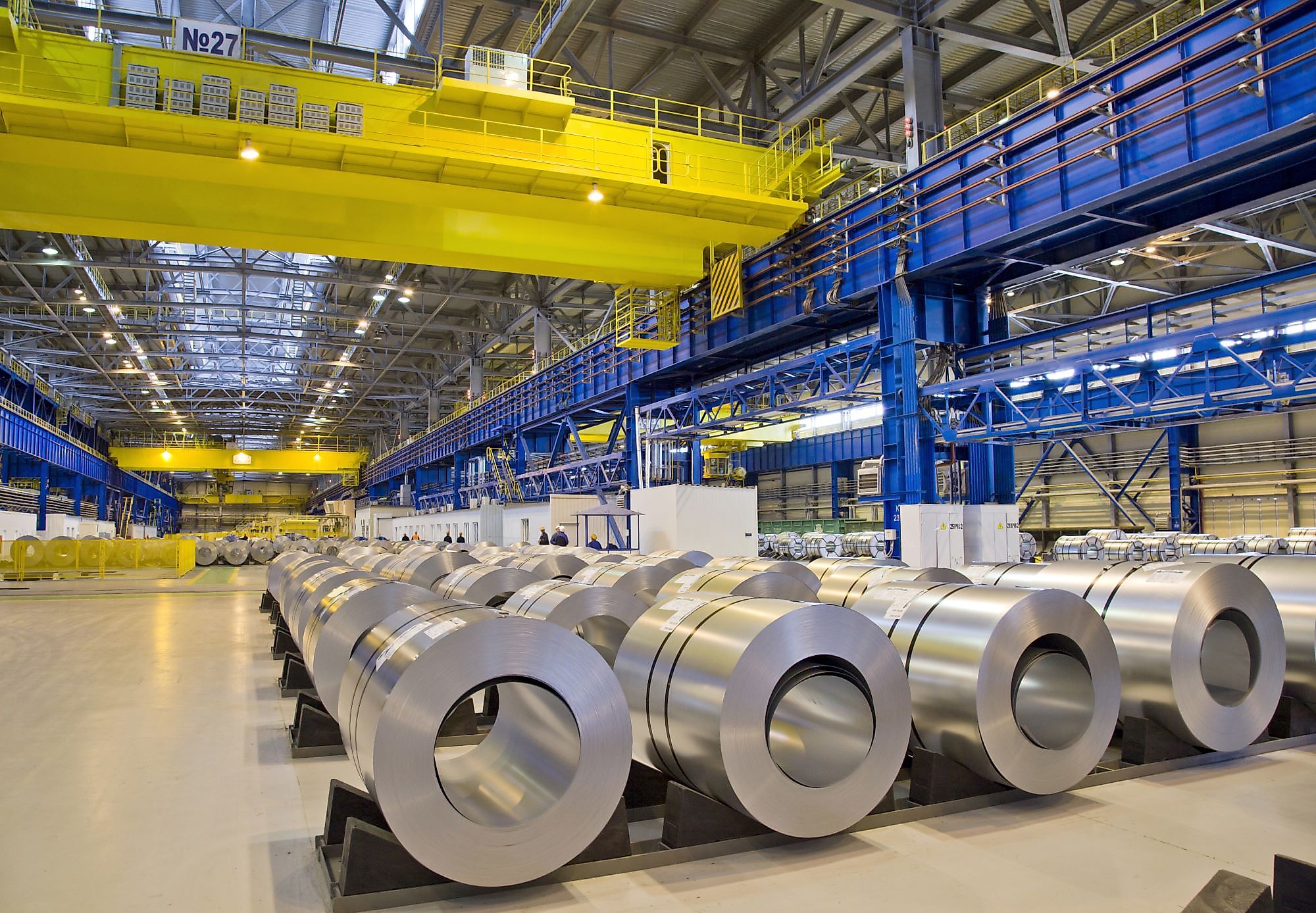


The need to find enough space for construction tools and materials is one of the most difficult aspects of designing projects. In ongoing projects, specifically construction or renovations, it’s normal for things to get cluttered quickly. The chaos could lead to problems and create safety hazards. Self-storage units offer an ideal solution as they provide an alternative to storing excess equipment, materials, and other inventory. This blog focuses on the significance of self-storage when working on construction work and how this could be beneficial to both professionals and DIY enthusiasts as well.
Why Self-Storage is Critical for Architects
Architects are often faced with a large quantity of paperwork, modeling materials, and equipmentthath must be efficiently organized when working on an entire project. With a variety of deadlines and client requirements, architects need to maintain an organized workspace. Self-storage units enable architects to keep their drawings, blueprints, plans, and other documents related to the project in a secure space.
This reduces the amount of clutter that can be found in their main workspace and safeguards their investment in tools and materials. A lot of self-storage facilities provide climate-controlled space,s which is essential for certain types of materials,s such as wood, or certain types of paper, which can be damaged or warped by changes in temperature. The assurance coming from knowing your equipment is protected can increase productivity.
Benefits of Storing Tools and Equipment Off-Site
Self-storage is especially beneficial to construction and contractor workers who typically have large equipment and tools to operate. Projects vary in size and require different sets of tools at different levels. When tools are stored on the site of work,k they may be damaged or lost in the rush and bustle. Storage units off-site will help keep things in order by allowing professionals to find only the equipment required for their job.
This secure space is safe from vandalism or theft, which is a major concern in construction places. Contractors can plan periodic visits to the storage facility for larger equipment or supplies are required to streamline their workflow that saves time. Being aware of where everything is kept can ease the stress that is usually associated with construction schedules.
Ideal Conditions for Material Preservation
Certain materials require special conditions to preserve them. Textiles, wood, and some metals may deteriorate in storage if they are not stored correctly. Self-storage facilities typically have air-conditioned units that keep temperatures and humidity at the ideal levels. This is crucial for builders and architects who are often working with sensitive materials. Projects that last for a long time may require storage of things for long periods of time,e and therefore, climate control is an important factor to take into account.
Keeping the materials in good condition ensures that when the time comes to put them in place or use the material, they won’t come with unexpected problems like discoloration or warping. The attention to detail adds to the high-quality of the completed project and is a reflection on the experts who are involved.
Cost-Effective Solutions for Space Constraints
Many architecture companies and contracting companies have issues with small physical spaces. Keeping a smooth workflow and managing storage issues can negatively affect the efficiency of operations. Renting a self-storage facility serves as a cost-effective solution to address these limitations.
Instead of moving to larger office spaces or rental buildings with storage space, these professionals can locate smaller units that can be customized to their specific needs. The transaction costs of moving offices could be exorbitant, and so using storage off-site is an appealing alternative. The leases for short-term rentals offered by numerous facilities provide the flexibilifor of professionals to alter their obligations in response to changes in the demands of projects.
Choosing the Right Storage Facility
The selection of the right storage facility requires careful evaluation of various elements. The most important factors are access, security, location, and the size of the unit. Professionals should select a location near active construction sites, so that the materials are accessible quickly in the event of need. Security features, like security cameras and gates, can provide the security essential to keep the equipment and materials safe.
Accessibility is essential,l especially for late-night projects when workers will require access to equipment or other supplies even when the regular operating hours cannot allow for their schedules. A reliable option iaan North Mackay storage facility that is specifically designed to cater to the specific needs of architectural and construction professionals, which can enhance the overall experience. Selecting the best facility will help to streamline processes and give peace of mind at every phase of the construction.
Utilizing Self-Storage for Final Stages of Projects
When the project is in its final phase of architectural projects, the efficient use of space is crucial. Self-storage is particularly valuable when furniture and other materials are transported to the site for final assembly. Business owners might need to store inventory that is not sold or promotional materials for seasonal events without disrupting their workspace.
Self-storage allows professionals to complete projects without causing confusion or chaos while ensuring a tidy and organized space. When the project is finished, the unneeded objects are able to be put in the unit for use in the future. This approach maximizes space management and also helps professionals to stay organised.
Self-storage has many benefits in architecture projects, and can help address the various problems faced by professionals. From improving workflow and organization to preserving the materials, they serve as crucial assets for the administration of projects in progress. A careful selection of storage options that are suited to the individual’s needs results in an optimal design of buildings, which will lead to an efficient conclusion to the architectural projects.