

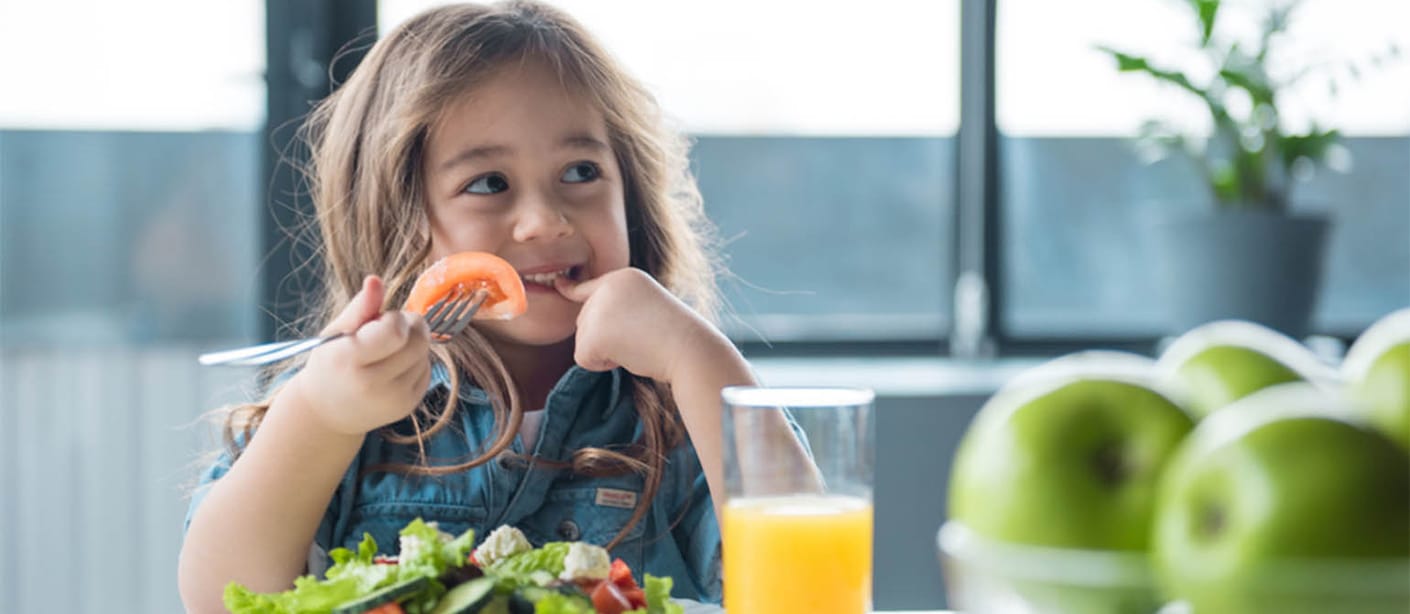
Vitamin education is a cornerstone of elevating wholesome, satisfied kids. While kids understand what goes into their food and how it influences their bodies, they’re more likely to pick nutritious food, live energetically, and keep away from health problems down the road.
Plus, it’s a life talent they’ll convey for all time, giving them the gear to stay healthy as they develop. So, let’s dive into why coaching vitamins is so vital, find out fun ways to do it, and find out about the brilliant nutrients kids want to shine!
Why is Nutrient Schooling Vital for Children?
When children find out about meals and the way they fuel their bodies, they can make smarter selections that help them grow strong, live centered in school, and avoid fitness troubles in the future. Let’ss explore why it’s so critical to begin teaching youngsters about nutrition early!
A. Constructing Healthy Behavior Early
Kids’ ingesting conduct is regularly brought into maturity. By instructing youngsterapproximately nutrition early, we can help them develop superb relationships with food that last a whole life.
B. Preventing Fitness Issues
Poor nutrition can result in weight problems, diabetes, and coronary heart disease. Coaching youngsters, the fee of a balanced food plan can help save you these conditions.
C. Boosting Educational Performance,
Healthy eating fuels the mind. Children who consume nutritious food are much more likely to pay attention, retain facts, and perform well in school.
D. Encouraging Independence
Nutrition school teaches kids the way to make their own wholesome choices. This fosters independence and self-assurance in coping with their fitness.
The Most Important Nutrients for Youngsters
For youngsters to grow robust and healthy, their bodies need a variety of nutrients. Let’s dive into the key nutrients youngsters need and why they’re crucial.
1. Protein
Protein is the building block of the body. It enables the repair of muscular tissues, tissues, and organs, making it vital for kids’ development. When youngsters consume enough protein, they have the muscle they want to grow strong and heal quickly from accidents. Foods rich in protein include eggs, lean meats, fish, beans, nuts, tofu, and dairy products.
2. Carbohydrates
Carbohydrates are like fuel for youngsters’ active bodies and developing brains. They offer the electricity children need to play, study, and explore their world. The first-rate sources of carbohydrates are entire grains, including brown rice, oats, and quinoa, in addition to fruits, greens, and legumes.
3. Fats
Healthful fats play a critical role in brain development and hormone production. They also act as a focused electricity source, which is particularly important for active children.
Foods like avocados, nuts, seeds, olive oil, and fatty fish, such as salmon, are top-notch sources of healthy fat. These fats support cognitive improvement and preserve kids’ feeling glad after food, reducing the temptation to snack on much less nutritious alternatives.
4. Calcium
Calcium is the cornerstone of strong bones and enamel, making it one of themostm critical nutrients for developing kids. In the course of adolescence, bones are rapidly developing, and calcium helps ensure they’re sturdy and resilient.
Meals like milk, yogurt, cheese, fortified plant-based milk, leafy vegetables, and almonds are rich in calcium. Pairing calcium-wealthy ingredients with diet D assets like daylight or fortified foods facilitates the body to absorb this crucial mineral more effectively.
5. Iron
Iron is important for carrying oxygen for the duration of the body. It helps energy stages and prevents anemia, which can make children feel tired and weak. Youngsters particularly need iron during growth spurts whilst their bodies are working overtime.
The top assets of iron consist of pork, rooster, beans, fortified cereals, spinach, and dried fruit. Pairing iron-rich foods with diet C (like oranges or tomatoes) can improve iron absorption.
6. Vitamins (A, C, D, E, and B-complicated)
Each diet performs a unique function in helping youngsters’ fitness. Vitamin A helps hold vision properly and supports the immune system. Diet C boosts immunity and aids in skin repair.
Diet D is essential for calcium absorption and bone health, at the same time as vitamin E protects cells from damage. B-complex vitamins, which include B6 and B12, are key for power manufacturing and brain function.
7. Fiber
Fiber is vital for a healthy digestive system. It facilitates saving you from constipation and keeps kids’ intestinal health in take a look at. Foods rich in fiber consist of complete grains, end result like apples and berries, and greens. Fiber also enables children to experience fullness, decreasing the temptation to overeat bad snacks.
8. Water
Water may not be a nutrient in the traditional experience, but it’s just as crucial. Staying hydrated supports each characteristic within the frame, from digestion to temperature law.
Even as plain water is an excellent way to stay hydrated, fruits and greens with high water content, like watermelon and cucumbers, are also tremendous options.
5 amusing sports to educate kids about vitamins, teaching children about nutrients may be both a laugh and an academic experience!
Here are Five Activities that Make Learning Approximately Healthy Meals Exciting and Hands-On:
1. Create a Wholesome Plate
One of the great methods to educate kids about balanced vitamins is through visible aids. Use a plate or an image of a plate and divide it into sections for exceptional food corporations: result, veggies, grains, protein, and dairy.
Have kids color the sections or cut out photos of healthy meals from magazines to place inside the proper sections. This activity facilitates youngsters to understand the significance ofincludingf distinct varieties of food in every meal and encourages them to make balanced alternatives.
2. Food Organization, Sorting Recreation
Subsequently, you may flip nutrition right into a laugh sport. Accumulate an expansion of food pictures (or use real meals gadgets if you’re at home or in a school room) and ask the youngsters to type them into the right food categories: result, greens, grains, protein, and dairy.
You may make this activity even more fun by way of timing them to see how quickly they can sort the meals, or by way of turning it into a team mission. This hands-on sorting recreation will assist kids learn about extraordinary foods and where they fit within the food pyramid.
3. Cooking Together
Children love to be involved in the kitchen, and cooking is a splendid way to teach them about nutrition. Pick out easy, wholesome recipes like making smoothies, fruit salads, or whole-grain wraps.
As you put together the food collectively, speak about the benefits of every aspect. For example, give an explanation for how bananas are appropriate for power and the way spinach enables building strong muscle mass. Let the youngsters assist with age-suitable responsibilities like blending, measuring, or arranging the meals. This hands-on experience makes getting to know about healthy eating fun and remarkable.
4. Meals Label Detective
Don’t forget to educate youngsterson howy to examine food labels. You could flip grocery shopping right into a lesson by means of stating food labels and explaining how to test for vitamins like protein, fiber, and sugar.
Show them the way to study serving sizes, substances, and nutrition facts to make healthier food selections. You may even play a sport in which you ought to locate the healthiest meal option from the picks to be had.
This activity allows kids to grow to bemorer aware of the meals they eat and encourages them to make knowledgeable decisions about what goes into their bodies.
5. Construct a Fruit and Veggie Rainbow
Encourage children to eat a rainbow each day! Explain that distinct colored culmination and vegetables provide one-of-a-kind vitamins, and ingesting a spread of colours is vital for staying healthy.
Have kids make a “rainbow” with culmination and veggies, either by arranging them on a plate or drawing a colourful rainbow on a chunk of paper.
They could pick out one food from each shade of the rainbow, like crimson apples, orange carrots, yellow peppers, green spinach, blue blueberries, and red grapes. This fun pastime enables youngsters to admire the sort of foods and understand how everyone contributes to their health.
Nutrient Training for Kids is Vital!
Coaching nutrition to children is a crucial step towards helping them grow into healthy, assured individuals. However, we remember the fact that as abusy individuale, it can be tough to juggle the entirety.
If you’re seeking support in guiding your child’s mastering adventure, enrolling them in Preschool & Kindergarten at Rockstar Academy is probably an appropriate solution.
As the quality sports & acting Arts Academy, your infant can experience preschool and kindergarten, in conjunction with a variety of bodily activities, occasions, and competitions designed for all age groups and ability tiers.
Those opportunities assist children in expanding academically, socially, and emotionally. Plus, our skilled teachermentoral them through each educational and bodily sport, teaching them important life competencies in their early formative years. This is important for his or her improvement.
Don’t forget, Rockstar Academy offers a free trial elegance, so if you’re inquisitive about giving your baby a chance to revel in our applications, make certain to contact us these days!
FAQ
Why is Coaching Nutrients at a Younger Age so Critical?
Teaching nutrients early enables children to develop lifelong healthful habits, recognize the significance of food, and make informed choices about their food regimen.
How am I Able to encourage a Picky Eater to Attempt New Foods?
- Be an affected person and persistent.
- Offer new foods alongside acquainted ones.
- Make food amusing by means of reducing it into shapes or letting children help put it together.
What must I do if My Toddler Refuses to Eat Vegetables?
- Sneak veggies into preferred dishes (like mixing spinach into a smoothie).
- Try extraordinary instruction techniques, together with roasting or steaming.
- Encourage small tastes without forcing them.