

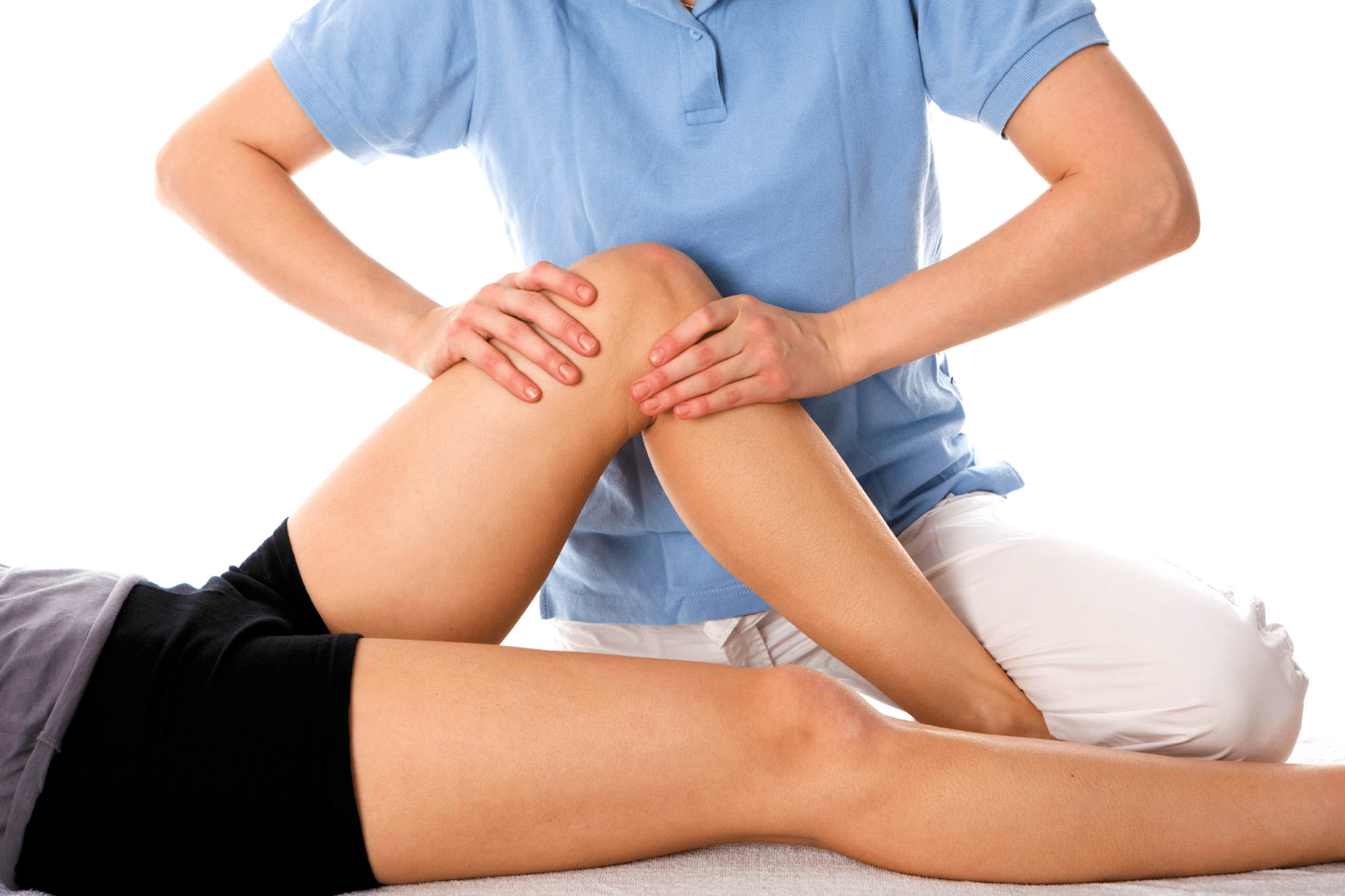
What is a Muscle Strain?
A muscle strain is a complication that is caused by excessive stretching of muscles. The muscle tissue gets overloaded and eventually reaches a breaking point at which a tear or partial tear is created. The result is that the pain persists when the patient tries to stretch or stretch the muscle.
Based on the severity of their injury, the muscle strains are classified into grades 1, 2, or 3:
GRADE 1 STRAIN
There is a deterioration of individualfibress of muscle (less than 5 % fibres). It is a minor strain that requires up to three weeks off from sports. It is recommended to seek evaluation and advice from a physical therapist.
GRADE 2 STRAIN
There’s more severe damage that is more extensive, and there are more muscle ffibresinvolved; however, the muscle is not fully broken. The recovery time typically ranges between 3 and six weeks. It is recommended to consult the assessment and guidance from the physical therapist.
GRADE 3 STRAIN
This is a total rupture of muscles. For athletes, this is usually a surgical procedure to heal the muscle. The time for rehabilitation can range between 3-months to 12-months.
All muscle strains need to be treated with rest andallowedw to recover. If the patient is still playing and playing, the problem will get worse. If not treated, a grade one strain could develop into a grade two strain, or even a complete rupture. It is essential to have the injury evaluated by a skilled physiotherapist to receive the right guidance and rehabilitation plan. For an appointment to make, we invite you to contact us.
How can a damaged Muscle heal?
The process of healing an injury to a muscle begins with an inflammatory reaction, which lasts for up to 5 days. This is an important period of rest and protection for the affected area, which is essential to avoid further injury.
During an inflammatory reaction, the body releases chemicals and cells that remove dead muscle tissue and begin the process of repair. The process of repair is comprised of three phases:
Regeneration of Muscle Fibres: New muscle fibres develop from the special cells that make up the muscle.
Formation of Scar Tissue: There is bleeding between the two muscle ends, and as a result of the bleeding,d a scaffold is created that helps to anchor both ends. The scaffold then forms an injury inside the muscle, which increases the resistance of the muscle to stretching damage.
Maturation of the Scar Tissue: The collagen fibres that compose the scar tissue begin to align themselvesinn the direction of stretch and stress. They can then stand up to greater stress and force.
How are Muscle Injuries Treated?
The initial treatment using a physiotherapist to Treat Muscle Strains is the protocol known as ‘PRICE to protect the injured region from further damage: rest, ice, compression, and elevation. The purpose of this method is to minimise bleeding within the muscle. Ice therapy, in the form of ice packs (wrapped similarly to the shape of a tea towel), must be maintained for the initial three days (72 hours) following the injury.
The process of rehabilitation following this period is a gradual stretching of the muscle, and gradually increasing the strength program and the load. To decrease the chance of re-injury, it should be performed under the supervisionof an physical therapist.
How can the Risk of Muscle Injury be Reduced?
The following suggestions could result in a reduction of the chance of suffering an injury to the muscle:
- Warm-up before games and exercise is believed to reduce the risk of injury due to muscle stretch, due to the fact that muscles are more flexible once the temperature of the tissues has raised by 1 or 2 degrees. A proper warm-up should take about 20 minutes, beginning slowly and concluding with the full-speed activity.
- Cooling Down. Recovery following training sessions and matches can be improved through a cool-down,n as it is believed to help muscles rid themselves of excess waste. It is also a great time to stretch exercises.
- Maintaining muscles and flexibility can aid in avoiding injuries to muscles.
Physiotherapy for Joint Injuries
A sprain can happen to any joint of the body. Since joints allow the movement of bones between them, they are more prone to injury. The joint can be injured due to a variety of reasons.
An injury could impact the range of motion and the strength of movement of the joint. A joint injury usually occurs in conjunction with any, all, or anycombination ofg the following conditions:
- Pain
- Swelling
- A decrease in range of motion
- Heat
- Bruising
Any joint injury must be evaluated by a physiotherapist to determine the extent of the injury and determine the most effective treatment strategy. For an appointment to make, call us.
Types of Joint Injuries
Joint Injuries can be experienced at any Joint in the Body. The Different Kinds of Joint Injuries Include:
- Traumatic Injuries Involving Ligaments – fractures, ligament tears/sprains, sprains
- Overuse – muscle tendonitis, muscle strain
- Infections
- Rheumatic – rheumatoid arthritis
A few of the Structures that may be affected by Damage to the Joint Include:
- The tendons of muscles and the muscle itself
- Ligaments
- Cartilage
- Bones
- Joint capsule
- Nerves
The ligaments and joint injuries are graded using an equal as muscle strains in that they are rated out of 3. Grade 1 is a mild injury, grade 2 is a moderate sprain, with ligament slack, and grade 3 is a total rupture or tear.
Physiotherapist Treatment for Joint Injuries
Physiotherapy Offers Assessments, Treatment, and Recommendations for Joint Injuries. Therapy can assist in:
- Optimising healing
- Swelling reduction
- Reducing pain
- Self-management strategies for the self.
- Sometimes, it is needed to seek a surgical opinion or additional examination (e.g. an MRI scan). We have the list of surgeons we consult for each joint injury.
If joint injuries remain untreated, they could get worse and cause a longer recovery period, further discomfort and pain. Contact us today to schedule an appointment.
What Physiotherapy Treatments are Available for Joint Injuries?
Numerous treatments can be utilised and recommended by a physiotherapist who is experienced following an assessment of the injury. Some of the most commonly used treatment options that are available include:
- Mobilisation of the joint as well as the soft tissues around it.
- Recommendations on Ice Therapy or anti-inflammatory methods.
- Balance and Proprioceptive Exercises
- Strengthening Exercises
- Acupuncture
Joint injuries can trigger lots of pain and discomfort that can last for weeks or even months. These kinds of injuries could make it difficult to participate in sports and other daily activities. The physiotherapist can aid in the rehabilitation of your joint or, if needed, send you to the right professional to further investigate and treatment. For an appointment, make contact with us.